Best overall
Aventon
Best for: Commuters
9.1/10★★★★★★★★★★
- Broad commuter lineup
- Online and dealer buying
On Aventon's site
Editorial scores · methodology
Best for: Commuters
On Aventon's site
Best for: Value-focused riders
On Velotric's site
Best for: Cargo and utility
On Rad Power Bikes's site
| Provider | Our score | Best for | Highlight | |
|---|---|---|---|---|
AventonBest overall | 9.1/10 | Commuters | Broad commuter lineup | Visit site |
VelotricBest value | 8.9/10 | Value-focused riders | Commuter and folding models | Visit site |
Rad Power BikesBest for hauling | 8.6/10 | Cargo and utility | Utility and cargo focus | Visit site |
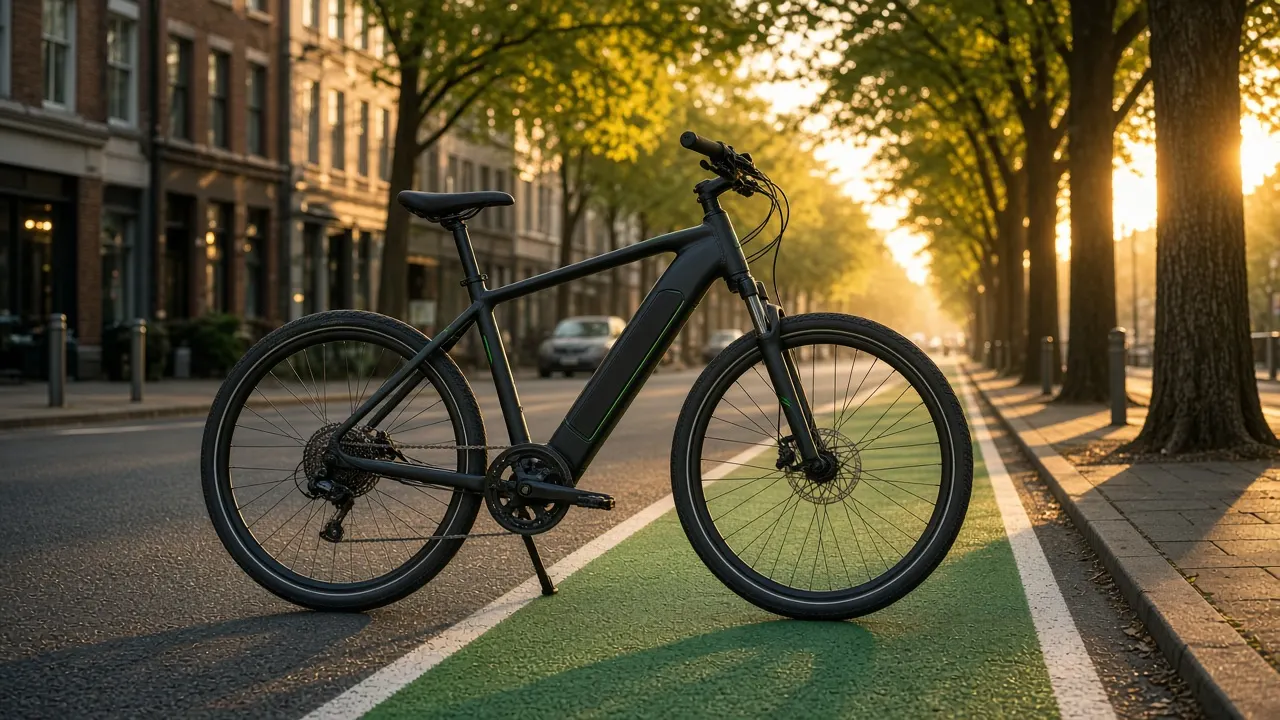
A commuter e-bike has one job: get you there reliably, in any weather, without arriving soaked in sweat. The right one depends on your distance, your hills, where you'll park it and whether you can get it serviced.
| Brand | Commuter strengths | Buying options |
|---|---|---|
| Aventon | Broad commuter lineup across classes | Online and dealers |
| Velotric | Value commuters and folding options | Mostly online |
| Rad Power Bikes | Utility commuters with racks and cargo options | Online and retail (check) |
Official sites: Aventon, Velotric, Rad Power Bikes.
Aventon's commuter lineup spans the three classes, and buying through a dealer gets you fitting and local service.
Velotric focuses on value, with commuter and folding models that suit apartment dwellers and multi-modal commuters.
If your commute includes the school run or groceries, Rad's utility models carry more.
Scores on this page are editorial scores out of 10. We built them from official product, pricing and documentation pages, checked in October 2026, using the weighted criteria below. Advertisers do not influence our ratings, and we haven't run lab-style benchmarks for this page.
| Criterion | Weight | What we looked at |
|---|---|---|
| Lineup fit | 30% | Range of commuter, cargo, folding and step-through models on official sites |
| Warranty and returns | 20% | Published warranty length, return windows and conditions |
| Service options | 20% | Dealer network, mobile service, parts availability |
| Spec transparency | 15% | Motor, battery, class, weight and certifications listed on brand pages |
| Value | 15% | Published prices relative to listed specs |
We haven't road-tested these bikes for this page. Specs, prices and warranties change by model and season, so confirm on each brand's official site before you buy.
Related: Best direct-to-consumer e-bikes · E-bike classes explained · Aventon review
How this page was made: from each provider's official product and pricing pages and its public documentation. We haven't run a formal hands-on test for this page. When we add hands-on notes, we'll label them.
Hub motors sit in the front or rear wheel hub and push the wheel directly. They're common on direct-to-consumer bikes, tend to be simpler, and work independently of the gears. Mid-drive motors sit at the pedals and drive the chain, so they use the bike's gears, which can help on steep hills, but they put more wear on the chain and cassette. Neither is automatically better; the right choice depends on terrain, budget and how you ride. Check each model's official spec page for which motor type it uses.
An e-bike that doesn't fit is uncomfortable no matter how good the motor is. Brands list frame sizes or a recommended rider height range for each model; check it against your height and, if possible, your inseam. Step-through frames make mounting easier for many riders and are popular for commuting in regular clothes. Step-over frames tend to suit riders who want a sportier position. Check handlebar reach and saddle height adjustment, and whether the bike's listed maximum payload covers you plus anything you carry. If you can, test ride at a dealer or demo event before buying.
E-bikes are attractive to thieves. Use a sturdy lock such as a heavy U-lock or chain through the frame to a fixed object, and add a second lock for the wheel if possible. Remove the battery and display when parking for long periods if the design allows. Record the frame serial number, register the bike where registries exist, keep receipts and photos, and consider insurance that covers theft. Some riders add a hidden tracker.
Many US states use a three-class system. Class 1 bikes provide pedal assist only, up to a set speed. Class 2 bikes add a throttle that can propel the bike without pedalling, up to the same speed. Class 3 bikes provide pedal assist up to a higher speed. Exact speed limits, where each class may ride, helmet rules and age limits vary by state and city, and some trails and paths restrict certain classes. Check the label on the bike, the brand's listed class for each model, and your local rules before buying.
Many e-bikes are designed to handle rain, but check the brand's guidance on water resistance. Use fenders, lights and reflective clothing. In cold weather, batteries deliver less range; store the battery indoors and install it just before riding. Dry the bike after wet rides and lube the chain more often.
Know your local rules on where e-bikes can ride, speed limits on shared paths, helmet and age requirements, and lighting at night. Ride predictably, signal turns, slow down around pedestrians, and use a bell. Some insurers and employers have their own requirements for commuting by e-bike.
E-bikes are heavier than regular bicycles, and cargo and fat-tyre models heavier still. Weight affects whether you can carry the bike up stairs, lift it onto a car rack, or store it in an apartment. Check each model's listed weight, whether the battery can be removed to lighten it, and whether your car rack is rated for e-bike weights.
Warranties often cover different parts for different periods: the frame may have a longer term than electrical components such as the motor, battery, display and controller. Check whether the warranty requires registration, whether assembly by a professional is required to keep coverage, how claims are handled for online purchases, and whether labour is covered. Keep your receipt and serial number.
Beyond the purchase price, budget for a lock, helmet, lights if not included, fenders or racks, a professional assembly or tune-up if needed, regular consumables (tyres, brake pads, chain), possible battery replacement years later, and insurance. Prices for models and accessories change often with promotions, so compare current totals on each brand's official site.
Brands publish range estimates, often as a span, because real range depends on rider weight, cargo, hills, wind, temperature, tyre pressure, assist level and how much you pedal. Treat the top of a listed range as best-case. To decide what you need, measure your longest regular round trip, add a healthy buffer for cold weather and detours, and choose a battery that covers that comfortably. If you can charge at work, your needed range may be much smaller.
Buying through a local dealer usually means professional assembly, a test ride, help with fit and a place to go for service. Buying direct from a brand's website can mean more model choice and promotions, but you'll handle assembly and find service yourself. Some brands offer both. Ask local shops in advance whether they'll service a bike bought online, since policies vary.
E-bikes are heavier and often faster than regular bikes, so braking matters. Hydraulic disc brakes generally need less hand force and self-adjust as pads wear; mechanical disc brakes are simpler to service. Wider tyres add comfort and grip, while narrower tyres roll more efficiently on smooth roads. Check which brakes and tyres each model uses on its official page, and replace pads and tyres before they're worn out.
Our scores are editorial scores out of 10. They're our judgment, weighted across the criteria below, based on each provider's official product pages, pricing and documentation, plus public feedback. They aren't user ratings or lab test results, and commissions don't change them.
The 12 questions to answer before you spend $1,000 or more on an e-bike.
No spam. Unsubscribe anytime. Privacy.