The battery is the most expensive part of an e-bike to replace, and the part with the most safety rules. A little care extends both range and lifespan.
Charging habits
- Use only the charger supplied by the manufacturer
- Charge indoors at room temperature, on a hard surface, away from exits
- Don't charge unattended overnight in a bedroom
- Unplug when charged if your charger doesn't stop automatically
Storage
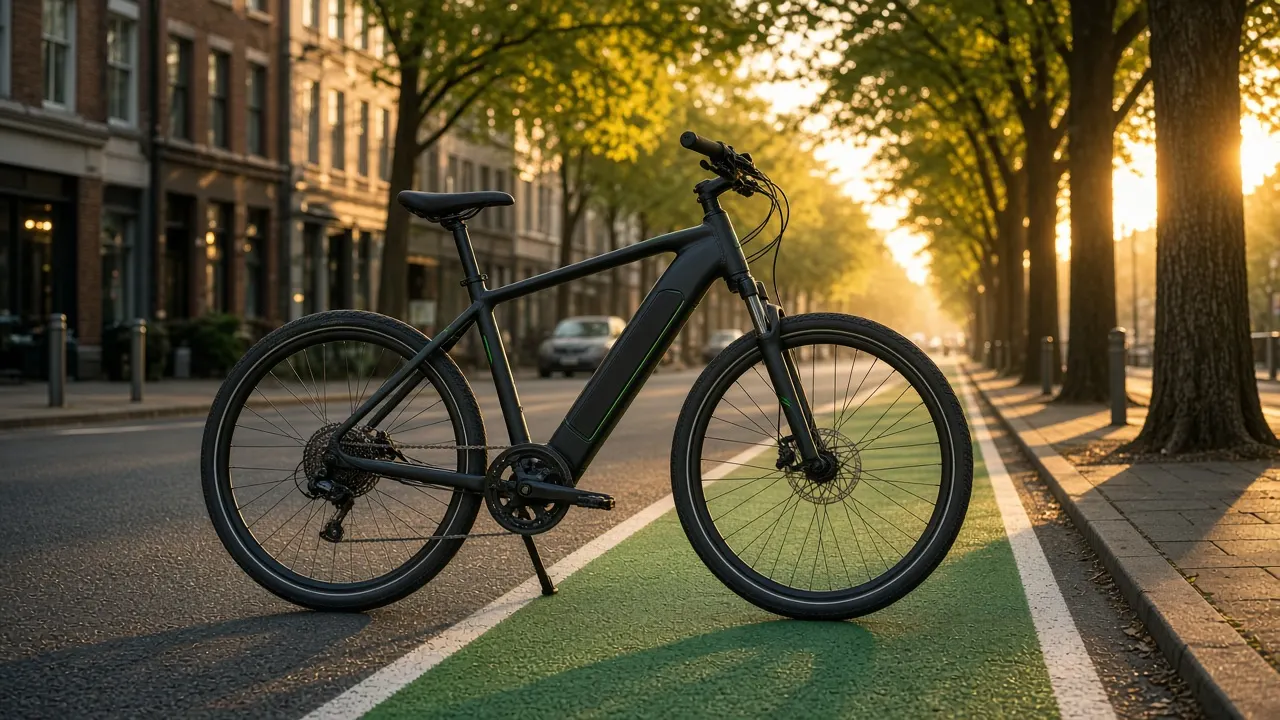
For long-term storage, most manufacturers recommend a partial charge and a cool, dry place. Check your brand's manual for the exact level.
Getting more range
| Factor | Effect | What to do |
|---|---|---|
| Assist level | Higher assist uses more power | Use lower levels on flat ground |
| Tire pressure | Low pressure increases drag | Check weekly |
| Cold weather | Reduces available capacity | Store the battery indoors, expect less range |
| Load and hills | Increase consumption | Plan routes, charge before big trips |
Safety certifications
UL 2849 certifies the whole e-bike electrical system, and UL 2271 covers the battery. Some cities and landlords now require certified batteries.
Signs of a problem
- Swelling, cracks or leaks
- Unusual heat or smell when charging
- Sudden large drops in range
Stop using a damaged battery and contact the manufacturer.
Aventon, Velotric and Rad Power Bikes publish battery care guidance on their support pages.
Official sites: Aventon, Velotric, Rad Power Bikes.
How we evaluated
Scores on this page are editorial scores out of 10. We built them from official product, pricing and documentation pages, checked in October 2026, using the weighted criteria below. Advertisers do not influence our ratings, and we haven't run lab-style benchmarks for this page.
| Criterion | Weight | What we looked at |
|---|---|---|
| Lineup fit | 30% | Range of commuter, cargo, folding and step-through models on official sites |
| Warranty and returns | 20% | Published warranty length, return windows and conditions |
| Service options | 20% | Dealer network, mobile service, parts availability |
| Spec transparency | 15% | Motor, battery, class, weight and certifications listed on brand pages |
| Value | 15% | Published prices relative to listed specs |
We haven't road-tested these bikes for this page. Specs, prices and warranties change by model and season, so confirm on each brand's official site before you buy.
Related: Best direct-to-consumer e-bikes · E-bike classes explained · How to buy an e-bike online
How this page was made: from each provider's official product and pricing pages and its public documentation. We haven't run a formal hands-on test for this page. When we add hands-on notes, we'll label them.
A simple battery routine
- Charge after rides with the approved charger.
- Unplug when charged, following the manufacturer's guidance.
- Store indoors at moderate temperature.
- For long breaks, store at the manufacturer's recommended partial charge and top up periodically.
- Inspect for damage regularly.
Reading a warranty properly
Warranties often cover different parts for different periods: the frame may have a longer term than electrical components such as the motor, battery, display and controller. Check whether the warranty requires registration, whether assembly by a professional is required to keep coverage, how claims are handled for online purchases, and whether labour is covered. Keep your receipt and serial number.
E-bike glossary
- Pedal assist
- The motor adds power when you pedal.
- Throttle
- A control that powers the bike without pedalling (Class 2).
- Hub motor
- A motor in the wheel hub.
- Mid-drive
- A motor at the pedals that drives the chain.
- Torque sensor
- Measures pedalling force to scale assist.
- Cadence sensor
- Detects pedalling to trigger assist.
- Wh
- Watt-hours, a measure of battery capacity.
Getting the right fit
An e-bike that doesn't fit is uncomfortable no matter how good the motor is. Brands list frame sizes or a recommended rider height range for each model; check it against your height and, if possible, your inseam. Step-through frames make mounting easier for many riders and are popular for commuting in regular clothes. Step-over frames tend to suit riders who want a sportier position. Check handlebar reach and saddle height adjustment, and whether the bike's listed maximum payload covers you plus anything you carry. If you can, test ride at a dealer or demo event before buying.
E-bike classes in brief
Many US states use a three-class system. Class 1 bikes provide pedal assist only, up to a set speed. Class 2 bikes add a throttle that can propel the bike without pedalling, up to the same speed. Class 3 bikes provide pedal assist up to a higher speed. Exact speed limits, where each class may ride, helmet rules and age limits vary by state and city, and some trails and paths restrict certain classes. Check the label on the bike, the brand's listed class for each model, and your local rules before buying.
Hub motor or mid-drive: what the difference means
Hub motors sit in the front or rear wheel hub and push the wheel directly. They're common on direct-to-consumer bikes, tend to be simpler, and work independently of the gears. Mid-drive motors sit at the pedals and drive the chain, so they use the bike's gears, which can help on steep hills, but they put more wear on the chain and cassette. Neither is automatically better; the right choice depends on terrain, budget and how you ride. Check each model's official spec page for which motor type it uses.
Unboxing and assembly tips
Most direct-to-consumer e-bikes arrive partially assembled. Photograph the box before opening in case of shipping damage. Follow the brand's official assembly video or manual exactly, use a torque wrench where torque values are specified, and check that the handlebar, stem, front wheel, pedals and brakes are tightened correctly. Pedals are side-specific: the left pedal threads the opposite way. If anything feels uncertain, especially brakes, have a bike shop check it before your first ride. Charge the battery fully before first use as the manual directs.
Riding in rain and cold
Many e-bikes are designed to handle rain, but check the brand's guidance on water resistance. Use fenders, lights and reflective clothing. In cold weather, batteries deliver less range; store the battery indoors and install it just before riding. Dry the bike after wet rides and lube the chain more often.
Setting up for commuting
Commuters benefit from fenders, a rear rack or panniers, integrated or bright lights, and puncture-resistant tyres. Plan a route using bike lanes and quieter streets, ride it once on a weekend, and check where you'll park and whether you can charge at work. Carry a small kit: a pump or CO2, tyre levers, a spare tube or plug kit, and a multitool. Many models include some commuting accessories; check each listing.
What to check on a test ride
- How smoothly the assist engages and disengages.
- Braking power and feel, especially downhill.
- Comfort of the riding position over several minutes.
- Ease of reading the display and using the controls.
- How easy the bike is to lift, walk and park.
- Noise and any rattles.
Total cost of ownership
Beyond the purchase price, budget for a lock, helmet, lights if not included, fenders or racks, a professional assembly or tune-up if needed, regular consumables (tyres, brake pads, chain), possible battery replacement years later, and insurance. Prices for models and accessories change often with promotions, so compare current totals on each brand's official site.
Why weight matters more than you'd think
E-bikes are heavier than regular bicycles, and cargo and fat-tyre models heavier still. Weight affects whether you can carry the bike up stairs, lift it onto a car rack, or store it in an apartment. Check each model's listed weight, whether the battery can be removed to lighten it, and whether your car rack is rated for e-bike weights.
Locking and theft prevention
E-bikes are attractive to thieves. Use a sturdy lock such as a heavy U-lock or chain through the frame to a fixed object, and add a second lock for the wheel if possible. Remove the battery and display when parking for long periods if the design allows. Record the frame serial number, register the bike where registries exist, keep receipts and photos, and consider insurance that covers theft. Some riders add a hidden tracker.
Thinking about range realistically
Brands publish range estimates, often as a span, because real range depends on rider weight, cargo, hills, wind, temperature, tyre pressure, assist level and how much you pedal. Treat the top of a listed range as best-case. To decide what you need, measure your longest regular round trip, add a healthy buffer for cold weather and detours, and choose a battery that covers that comfortably. If you can charge at work, your needed range may be much smaller.
Routine maintenance
- Every ride: check tyre pressure, brakes and lights.
- Weekly for commuters: wipe and lube the chain, check for loose bolts.
- Monthly: inspect brake pads, tyre tread and spokes.
- Periodically: have a shop service brakes, gears and wheels; e-bikes are heavier and wear consumables faster than regular bikes.
- Electrics: keep connectors clean and dry, and follow the brand's guidance on washing (avoid pressure washers).
Torque versus cadence sensors
A cadence sensor turns the motor on when it detects the pedals turning, and the assist level sets the power. It's simple and makes riding feel easy, though it can feel less natural. A torque sensor measures how hard you push and scales assist to match, which many riders find feels more like a regular bike. If ride feel matters to you, look for which sensor a model uses on its official page and try both on a test ride if you can.
Battery safety basics
- Buy bikes and batteries whose listings state certification to recognised safety standards; check the brand's official page for which standards apply to each model.
- Use only the charger supplied or approved by the manufacturer.
- Charge on a hard surface away from flammable materials, and don't leave charging batteries unattended for long periods.
- Stop using a battery that is swollen, damaged, overheating or smells unusual, and contact the brand.
- Store batteries in moderate temperatures and follow the manufacturer's storage-charge guidance for long breaks.
- Recycle old batteries through approved programmes; never put them in household trash.
Buying online: what to check before checkout
- Return policy: how many days, condition requirements, and who pays return shipping for a large box.
- Warranty: length and coverage for the frame, motor, battery and electronics, and how claims work.
- Assembly: how much assembly is needed, and whether professional assembly is offered.
- Service: whether there are partner shops near you, and parts availability.
- Shipping: delivery time and whether the box needs inspecting for damage on arrival.
- Total price: including accessories, taxes and shipping.
Dealer versus direct purchase
Buying through a local dealer usually means professional assembly, a test ride, help with fit and a place to go for service. Buying direct from a brand's website can mean more model choice and promotions, but you'll handle assembly and find service yourself. Some brands offer both. Ask local shops in advance whether they'll service a bike bought online, since policies vary.
Frequently asked questions
How long does an e-bike battery last?
Should I charge my e-bike battery after every ride?
Is it safe to charge indoors?
Can I leave my battery on the charger overnight?
How we score
Our scores are editorial scores out of 10. They're our judgment, weighted across the criteria below, based on each provider's official product pages, pricing and documentation, plus public feedback. They aren't user ratings or lab test results, and commissions don't change them.
- Lineup fit for common uses
- Published warranty and return terms
- Service and dealer options
- Specs transparency on brand pages
- Value
Get the e-bike buyer's checklist
The 12 questions to answer before you spend $1,000 or more on an e-bike.
No spam. Unsubscribe anytime. Privacy.